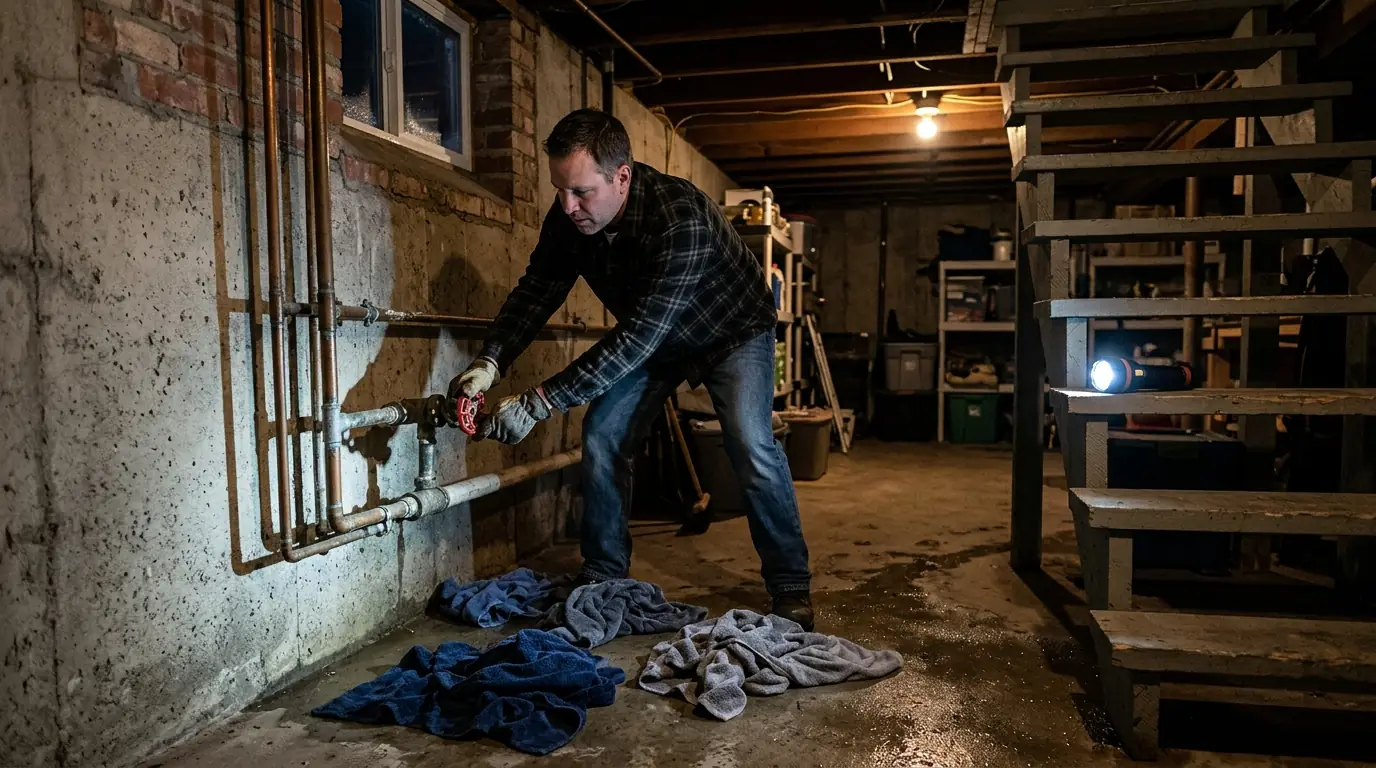
A burst pipe in a Spokane winter: your first hour, step by step
A burst pipe in a Spokane cold snap: where the shutoff is, when to cut power, what to photograph and move. Start with the main valve.
Read the guideRestoration advice
What to do first, what not to touch and what it usually costs. Written for Inland Northwest homes and weather.
Quick answer
These guides cover the first hour after a burst pipe, ice dams, wildfire smoke and ash, mold timelines, sewage backups, fire recovery, insurance documentation and what restoration costs, written for Spokane area homes. Each one ends with what you can safely do yourself and when it is time to call.
Most of the damage we see happens in the first few hours, before anyone from a restoration company is in the house. Knowing where the main shutoff is, what to lift off the floor and what to leave alone for the adjuster changes how much of a home can be saved.
These articles are written by Harriet Colvin, our restoration advice editor, from the questions we hear on the phone most often. They describe the work in plain terms and send you to the right service page when the job is bigger than a homeowner should take on.
A burst pipe in a Spokane cold snap: where the shutoff is, when to cut power, what to photograph and move. Start with the main valve.
Read the guide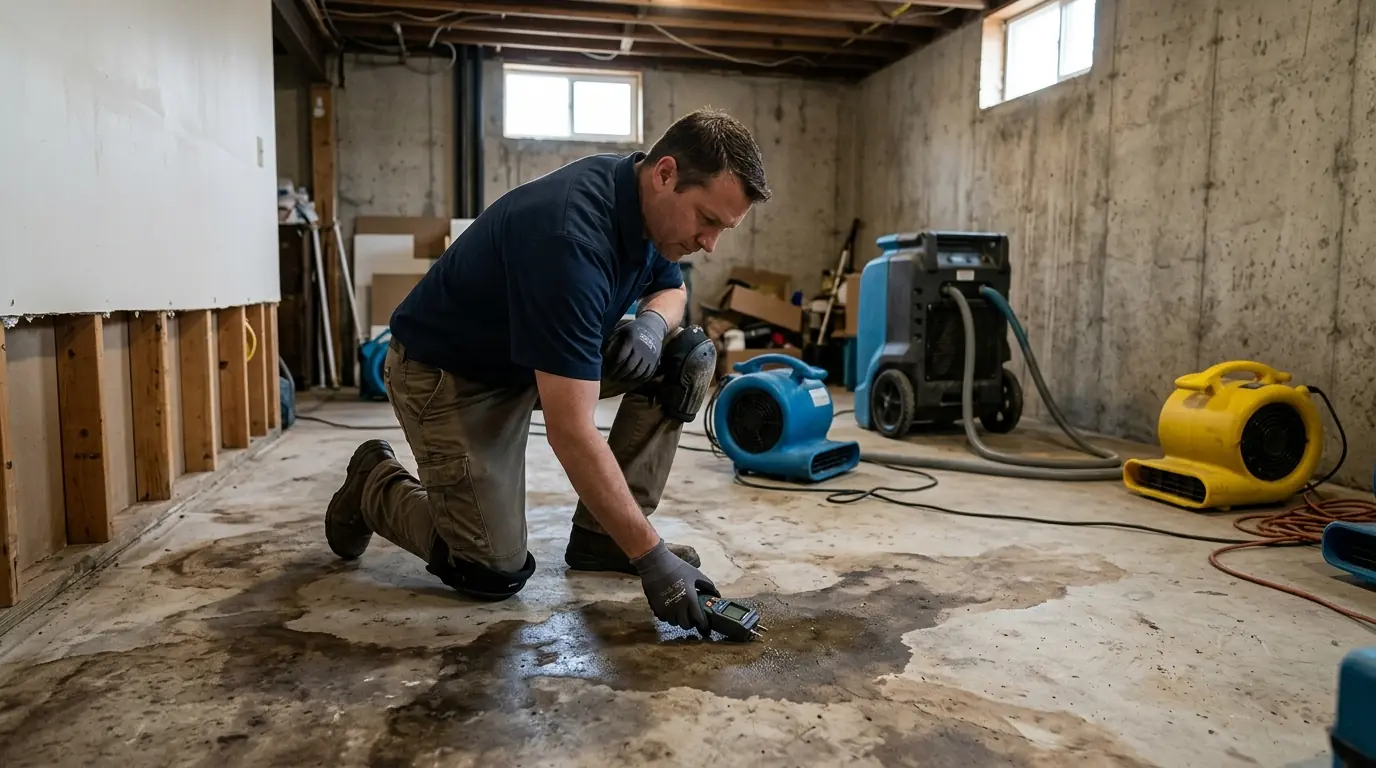
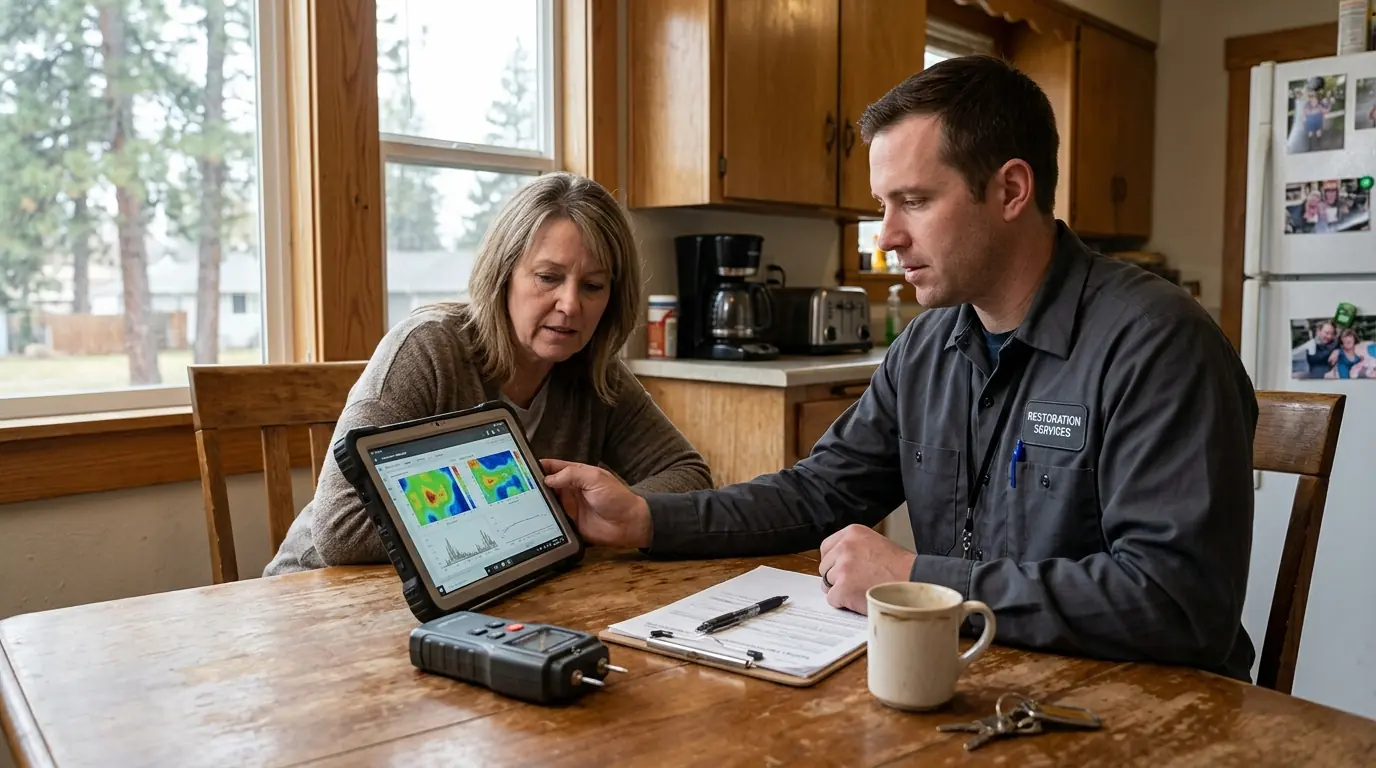
National planning ranges for water damage restoration and the factors that move a Spokane job: category, class and drying days. Inspection sets it.
Read the guide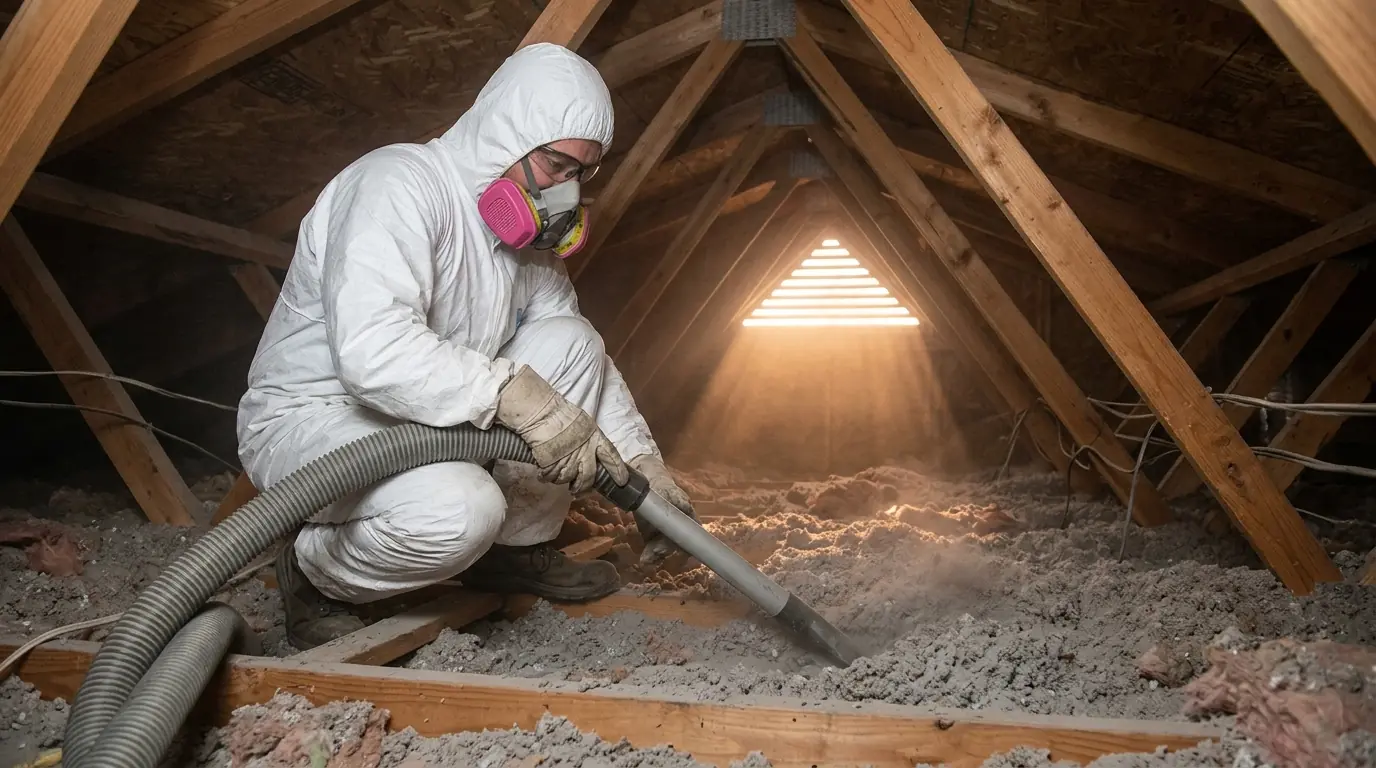
Cleaning wildfire ash and smoke from a Spokane-area home that never burned: gear, wet methods and the furnace filter. Never blow the ash around.
Read the guide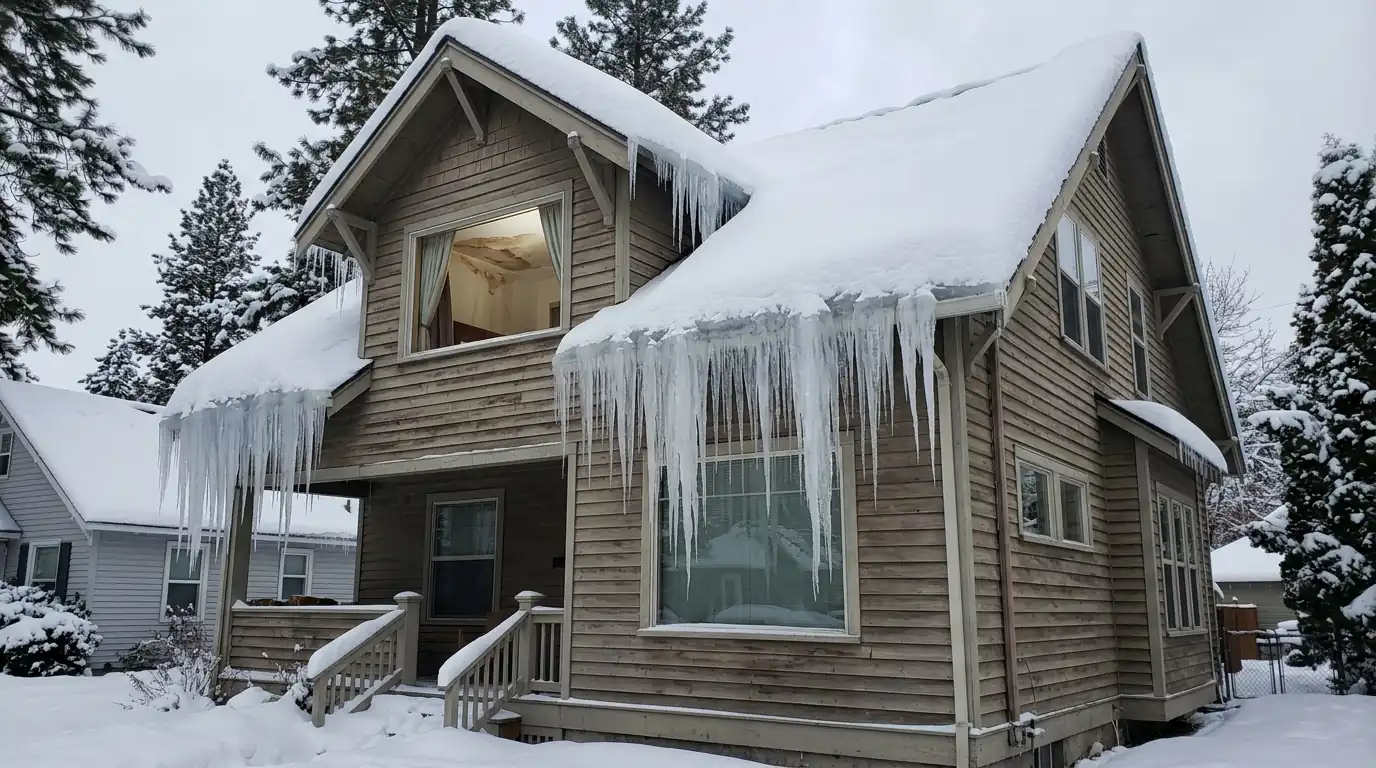
How ice dams form on Inland Northwest roofs, the ceiling signs to watch and what to do today. Leave the ice to a roofer, not a hatchet.
Read the guide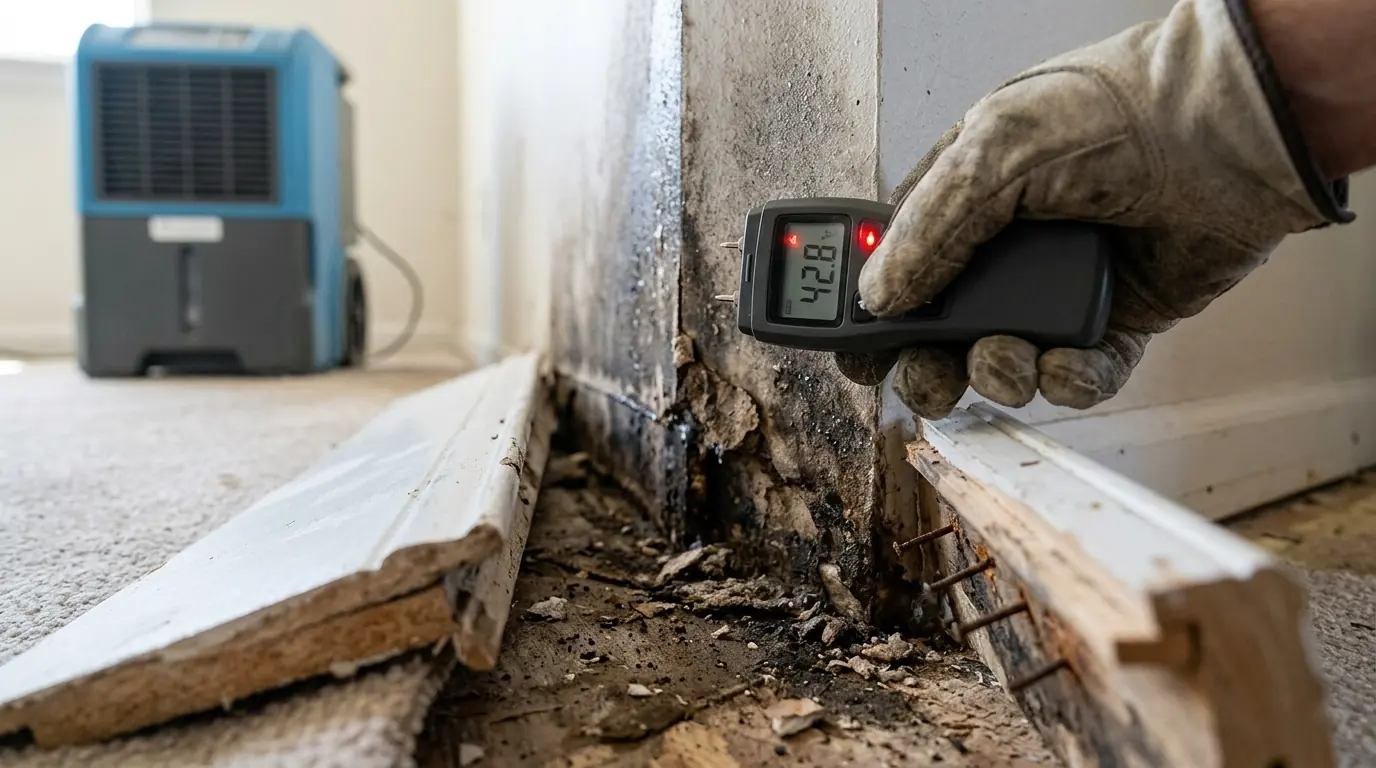
An honest timeline for mold after a leak in a Spokane home: what speeds it up, what slows it and when testing helps. The first two days count.
Read the guide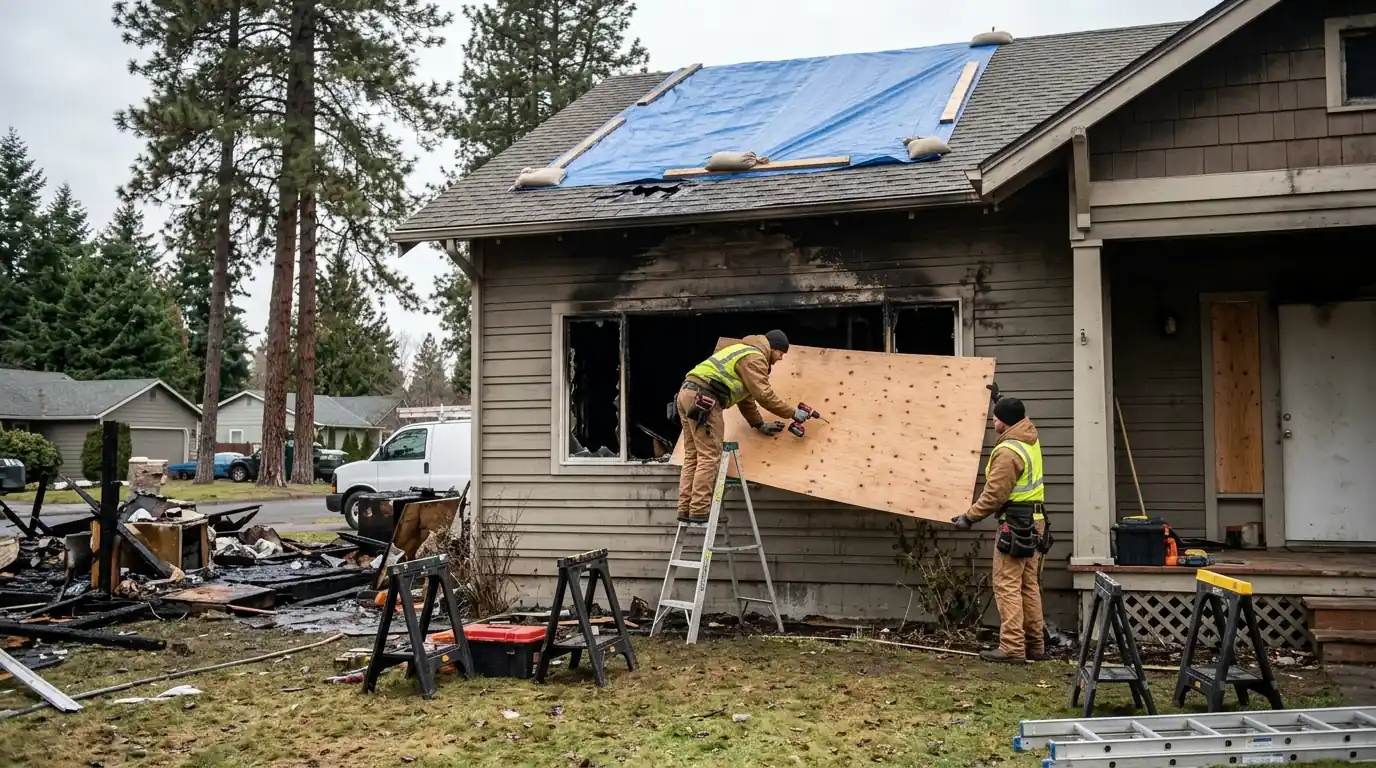
The first two days after a house fire in the Spokane area: re-entry, board-up, firefighting water and soot. Leave the soot alone for now.
Read the guide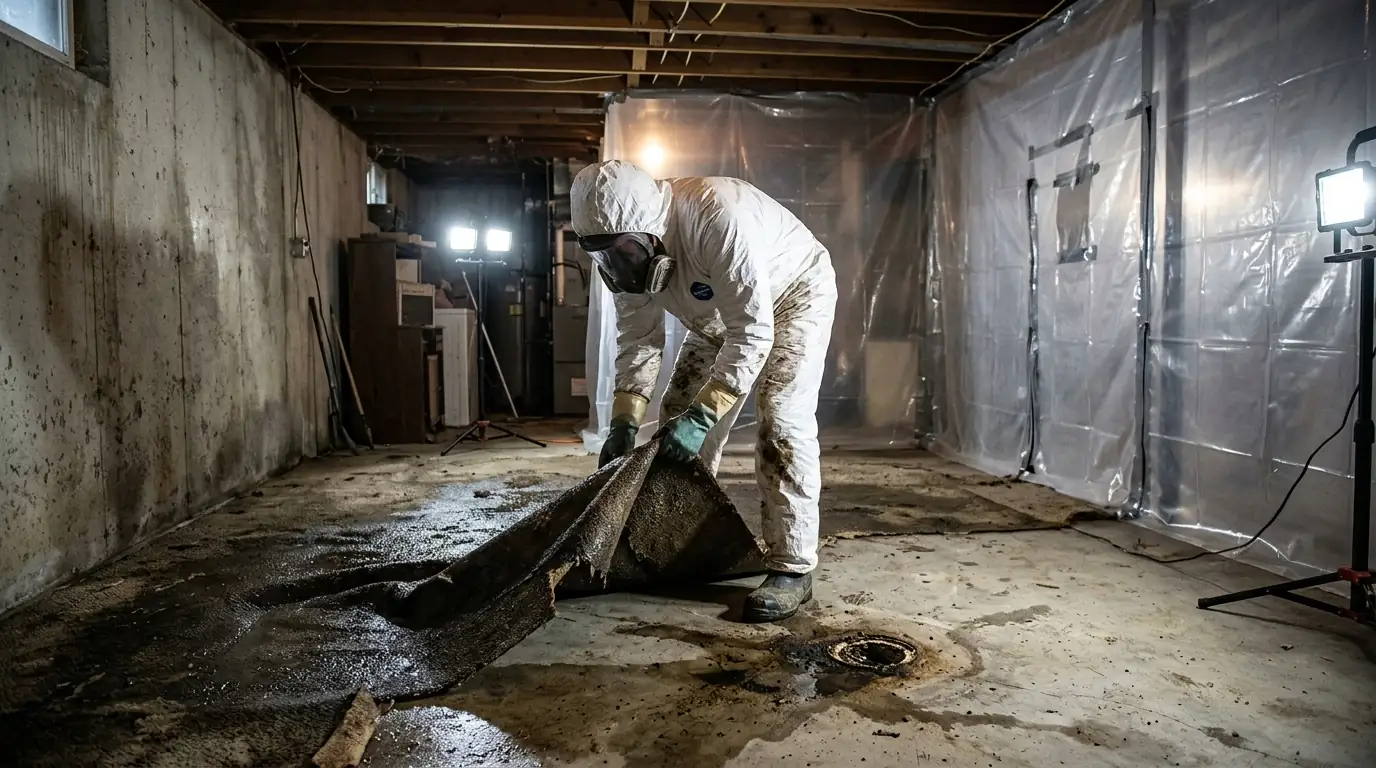
Sewage backing up into a Spokane-area basement: stop the drains, stay out of the water and learn what gets thrown out. Do not run fans on it.
Read the guide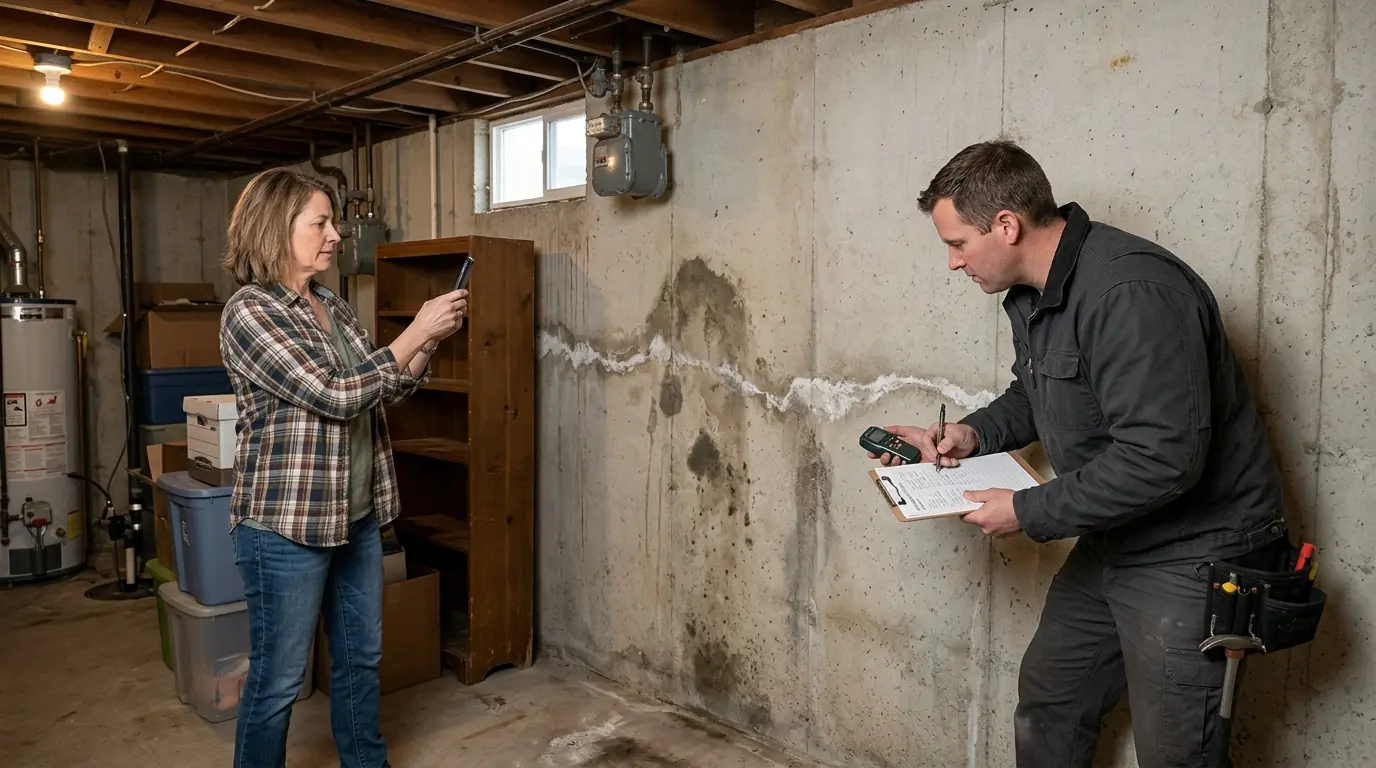
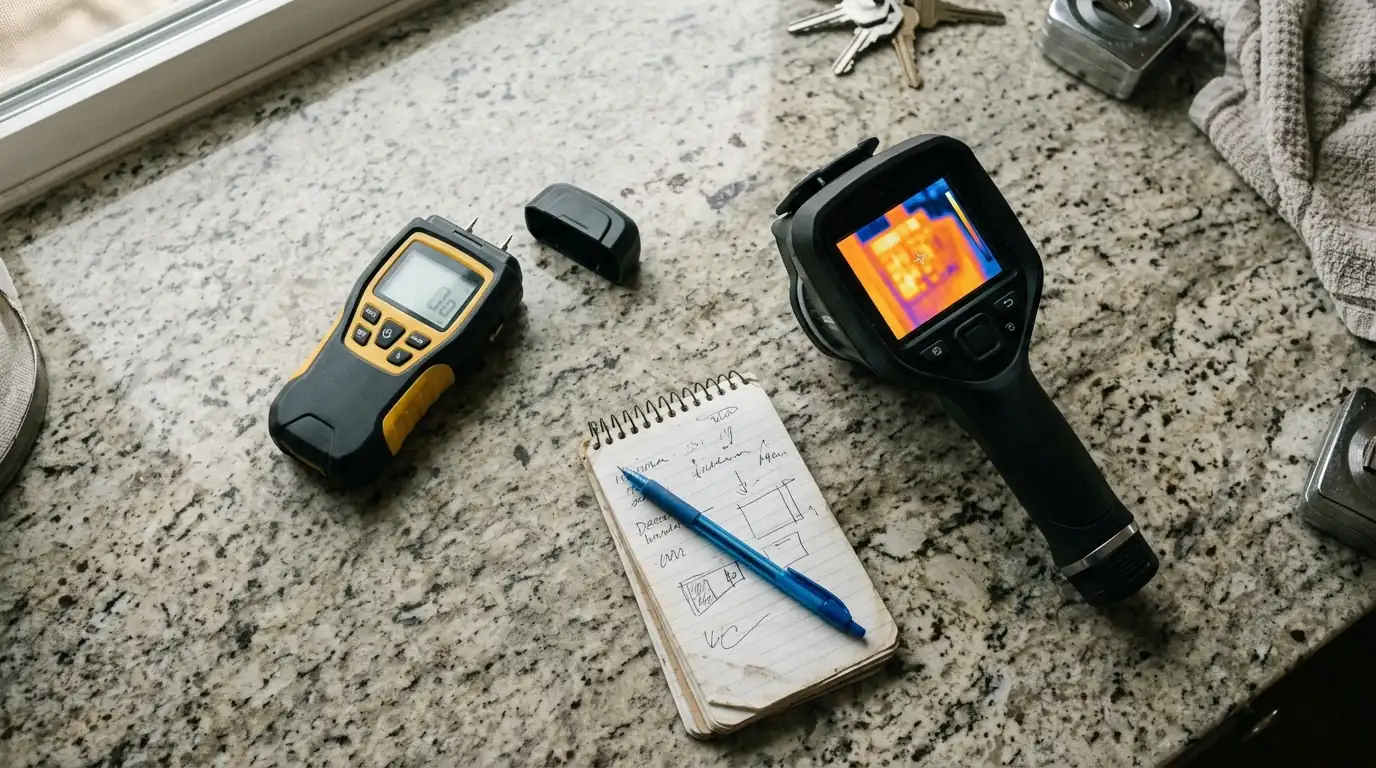
A checklist for documenting a water damage claim: photos, video, damaged items, receipts and moisture logs. Shoot it all before anything moves.
Read the guide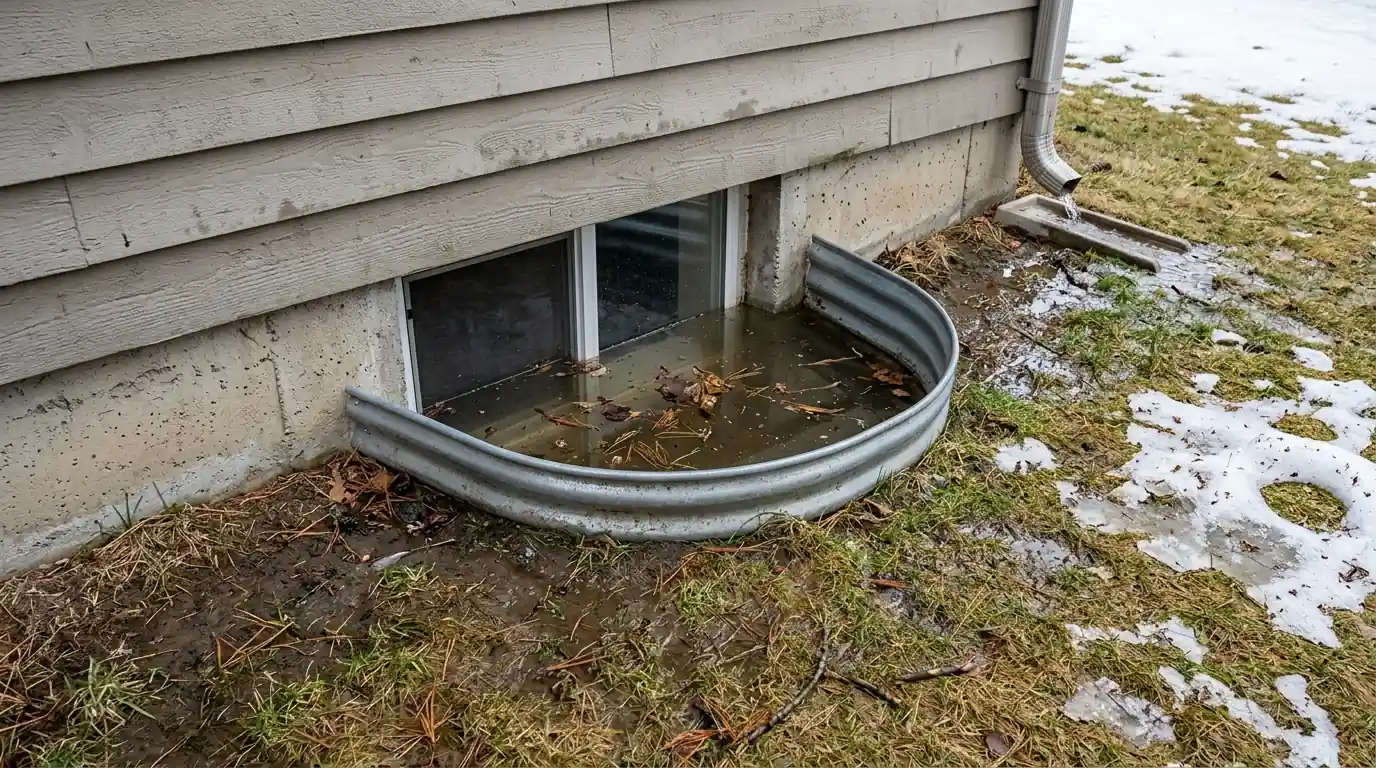
Why snowmelt and frozen ground push water into Spokane-area basements, where it gets in and how to stop it. Most fixes start outside.
Read the guide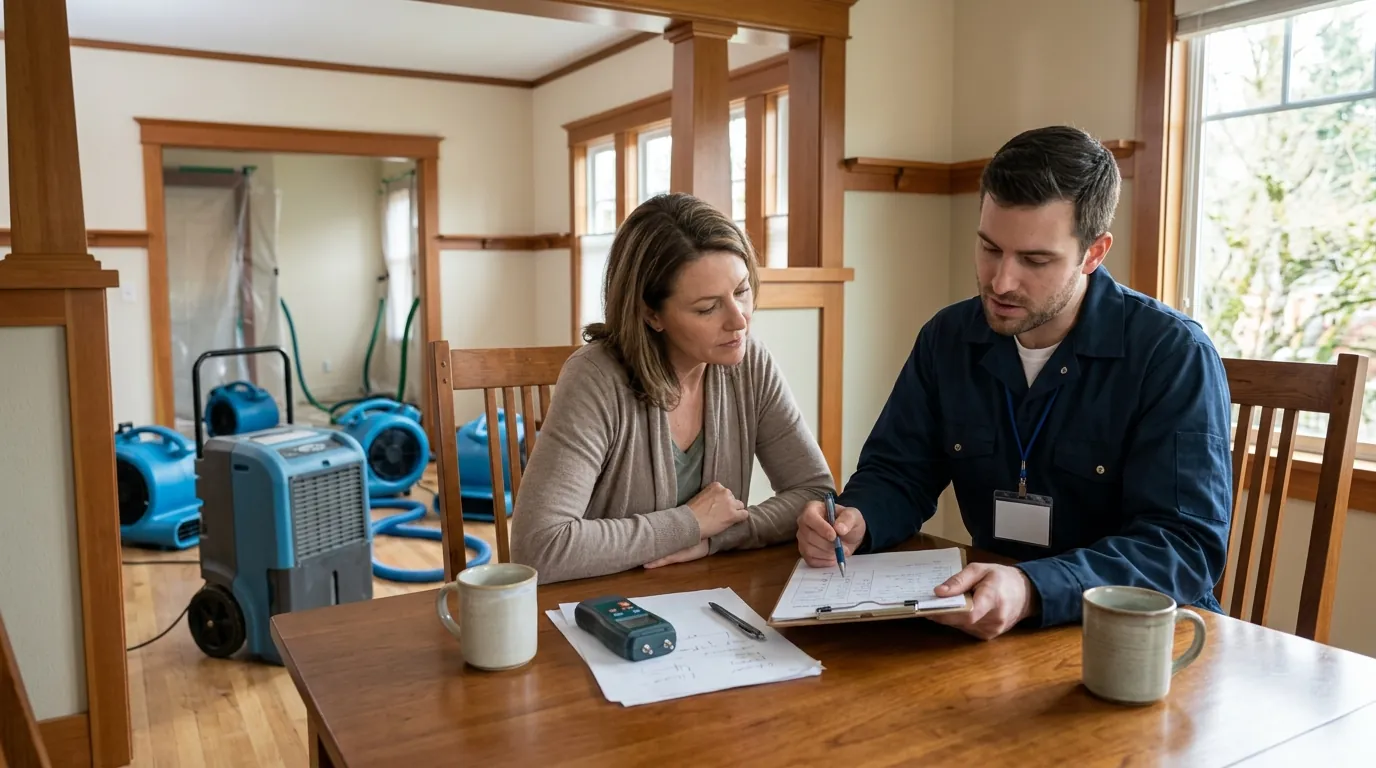
A checklist for vetting any restoration company: coverage, written scope, drying logs, pricing and the rebuild. Get the answers in writing.
Read the guideOur restoration advice editor, Harriet Colvin, writes and updates the guides based on the questions homeowners ask us most. They are reviewed whenever our process or the cost data they cite changes.
No. Cost figures come from published national cost data and are named in each guide. They are planning ranges, not a quote. A real number needs an on-site inspection.
They help you act in the first hour and ask better questions. Category 3 water, fire residue, mold over a small patch and anything structural belong to a trained crew.
Each guide shows the month it was last updated. We revise them when cost sources change or when we learn something useful from the calls that come in.
Answering 24/7
Stop reading and call. We answer any hour and will walk you through the next ten minutes.
1876 N Teanaway Dr, Post Falls, ID 83854
Our office
1876 N Teanaway Dr, Post Falls, ID 83854