Restoration advice
What water damage restoration costs, and why the number moves
Quick answer
National planning ranges put most water damage restoration jobs between about $1,270 and $5,376, and LawnStarter's 2026 data cites an average near $3,250. Your number depends on how dirty the water is, how far it spread, which materials got wet and how many days drying takes. An honest Spokane quote follows an inspection, not a phone call.
The national planning ranges, and what they leave out
Start with the published numbers, because they give you a sense of scale. LawnStarter's 2026 cost data puts the national average for water damage restoration at about $3,250, with typical jobs running from $1,270 to $5,376, or roughly $3.15 to $7.40 per square foot. HomeServe's 2026 cost guide, citing HomeGuide, puts a small Class 1 job at $150 to $500.
Treat those as national planning ranges, not Spokane quotes and not our prices. They average together a dishwasher leak on vinyl and a finished basement under several inches of water. The rest of this guide covers what moves a real job up or down that range, so the estimate you get makes sense when you read it.
Water category: clean, gray or black
The first question on any job is how dirty the water is. Category 1 is clean water from a supply line, a burst pipe or rain. Category 2 is gray water, like a washing machine discharge or a toilet overflow without waste, or clean water that sat long enough to pick up contaminants. Category 3 is black water: sewage and overland flood water.
LawnStarter's figures show the spread: about $3.30 to $4.10 per square foot for clean water against $7 to $7.50 for black water. The difference is labor and disposal. Category 3 means protective gear, containment, tearing out porous materials rather than drying them, and disinfecting what stays. It is also why a clean leak left sitting for days costs more than the same leak handled the first night.
Water class: how much got wet and how hard it is to dry
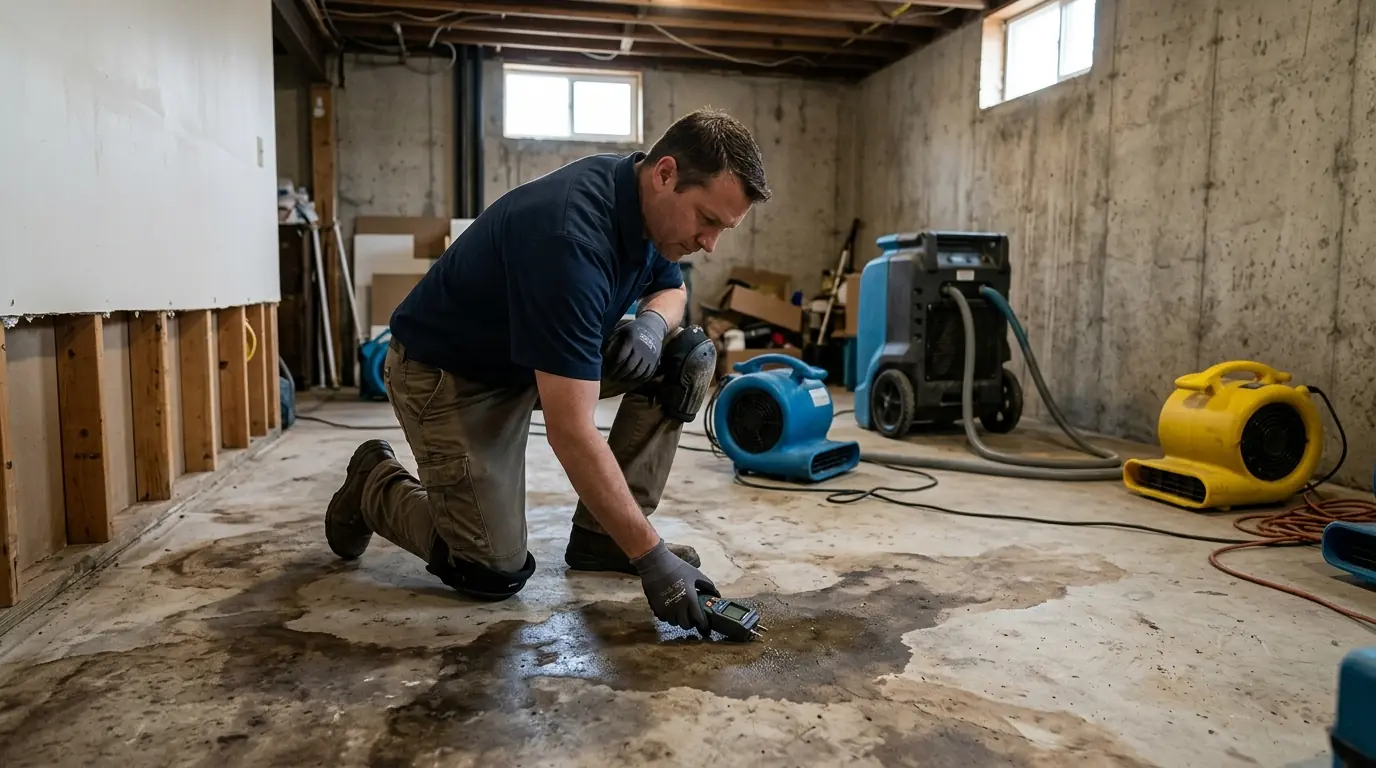
Class describes the drying job, separate from how clean the water is. A Class 1 loss touches part of a room and mostly low-absorbency materials. Class 2 soaks a whole room, carpet and pad, and wicks up the walls. Class 3 usually means water came from above and saturated ceilings, walls, insulation and floors. Class 4 covers dense materials that give up water slowly, such as hardwood, plaster and concrete.
Class 4 comes up often in Spokane. The city's median home was built in 1961, and many older houses still have plaster walls and original hardwood. Plaster can often be dried in place instead of torn out, which helps, but it takes longer and needs specialty setups. Slower drying means more equipment days on the bill.
Already past the point of doing it yourself? We answer 24/7 and can have a crew on the way.
Call (509) 730-2039Square footage, and which materials have to come out
Square footage sets the baseline, but the materials decide whether you are paying to dry something or to replace it. Published repair ranges give a feel for each piece:
Two things push a job toward the top of those ranges: water that got under finished floors, and materials that cannot be matched. Carpet pad is inexpensive and usually replaced, while the carpet itself can often be dried in place after a clean water loss. Cabinets with particleboard boxes rarely survive a long soak.
- Drywall: $1 to $3 per square foot in LawnStarter's data, $2 to $6 for repair in HomeServe's
- Wet carpet: $1 to $11 per square foot to dry or replace (LawnStarter), $2 to $8 to replace (HomeServe)
- Replacement hardwood: $9 to $25 per square foot (HomeServe)
- Ceiling replacement: $50 to $100 per square foot (HomeServe)
Drying days and the equipment behind them
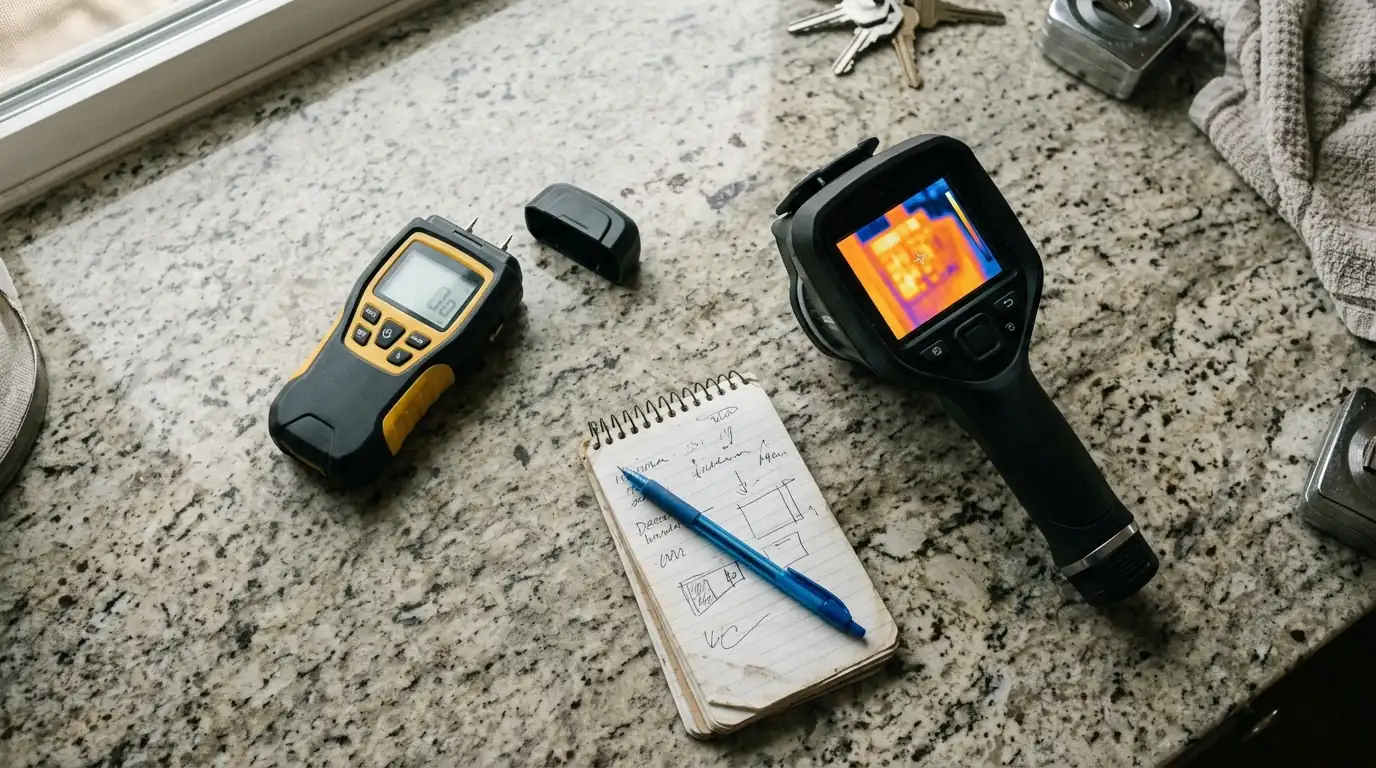
Most mitigation bills include a daily line for each air mover, dehumidifier and air scrubber on site, plus monitoring visits. A job that dries in three days costs less than the same rooms drying for five. What decides the count is moisture readings, taken at the same marked points each visit and compared with dry material elsewhere in the house.
Spokane winters complicate this. Cold framing dries slowly, and a house that sat unheated after a burst pipe may need added heat. Moisture hiding in wall cavities or under a floor stretches the timeline if nobody finds it on day one, which is why moisture mapping up front tends to save money later.
Ways to keep a water damage bill from growing
Some of the cost is decided before anyone arrives. These steps keep it smaller:
- Shut the water off fast and keep the heat on
- Get standing water out the first day, before a clean water job turns into a Category 2 job
- Move contents out of wet rooms so fewer items need cleaning or pack-out
- Photograph everything before it is moved or thrown away
- Ask for the drying plan and the daily readings in writing
Why our quote comes after the inspection
We do not price water damage over the phone, because the factors above are invisible until someone meters the walls and floors. On site we trace the source, map where the water traveled, set the category and class, and photograph and log moisture readings. You get a written scope that lists what will be dried, what has to come out and why.
If you are filing a claim, that same documentation goes to your adjuster, and we can walk the job with them. Your policy and the adjuster decide what is covered, not us. Our claim documentation work is about making sure the record is complete.
Reader questions
No. Restoration usually means mitigation: extraction, drying, removing materials that cannot be saved and cleaning. Repair, or reconstruction, is putting back drywall, paint, flooring and cabinets afterward. Many published ranges cover only part of that, so a mitigation estimate and a rebuild estimate are often separate documents with separate totals.
Sewage and flood water require protective equipment, containment, disinfection and removal of porous materials like carpet, pad and the lower part of drywall. More material leaves the house and more has to be replaced. LawnStarter's 2026 data puts black water jobs at roughly double the per square foot range of clean water jobs.
It can, and you should know why if it does. Water often reaches places nobody could see on day one, like under a vanity or inside a wall cavity. A good scope gets updated with photos and readings that show the new damage, and you should see that change in writing before the work is done.
Often, yes. Plaster walls, old hardwood and layered flooring hold water longer and dry slowly, which adds equipment days. The upside is that plaster and solid wood floors can frequently be dried in place rather than replaced. Newer drywall and carpet basements dry faster, but more material may come out.
Line them up by scope, not by total. Check that both include the same rooms, square footage, materials removed, equipment counts and expected drying days. An estimate that is much lower often leaves out demolition, disposal, antimicrobial treatment or daily monitoring, which tend to reappear later as change orders.
Services that go with this guide
Emergency Water Damage Restoration
Water Damage
See this serviceStructural Drying & Dehumidification
Water Damage
See this serviceInsurance Claim Documentation
Rebuild, Contents & Commercial
See this service