When the furnace spreads the damage
Duct cleaning after smoke, ash and water damage in Spokane homes
A forced-air system moves whatever is in the ducts through every room. After smoke, ash or water, cleaning it keeps the problem from coming back.
- Answered 24/7
- Soot and ash removal
- Wet duct assessment
- HEPA negative air
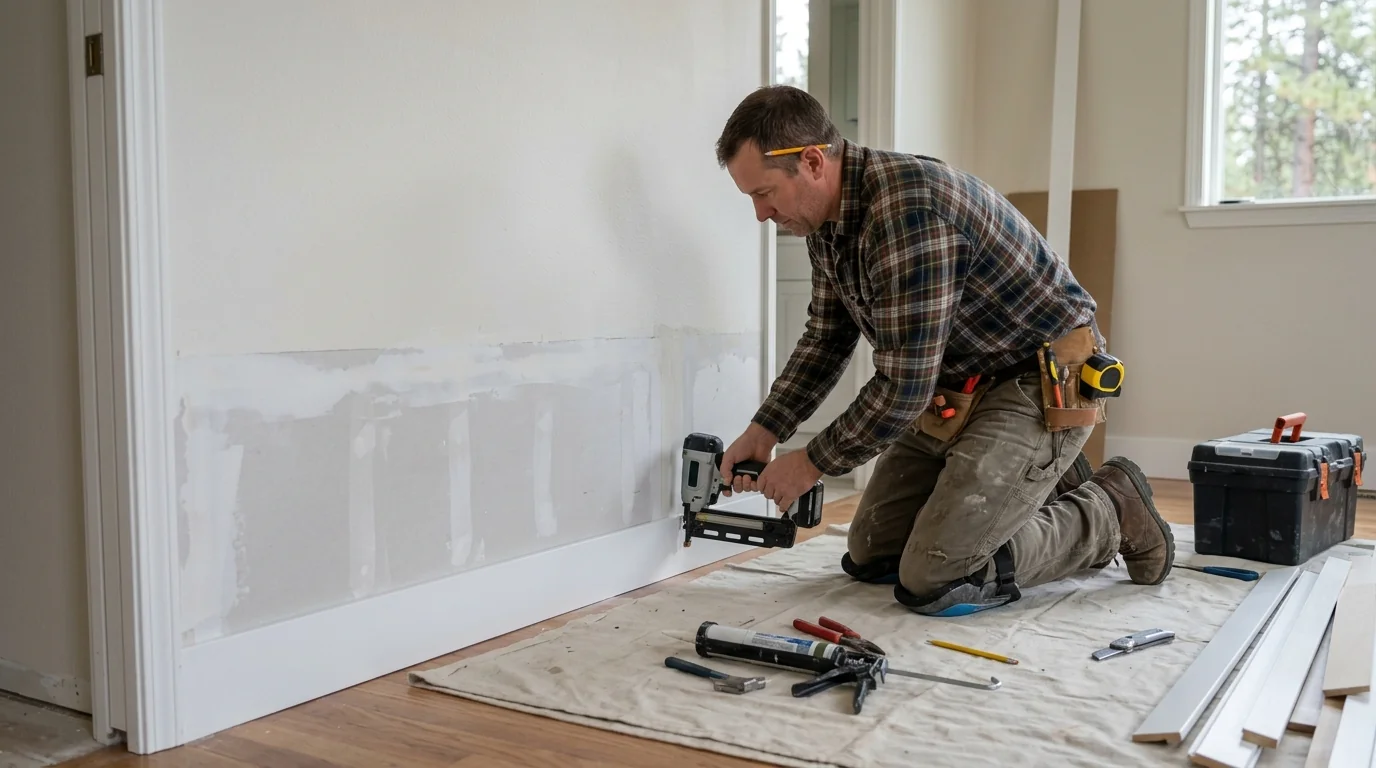
Quick answer
Duct cleaning after damage in Spokane is needed when smoke, wildfire ash or water got into a forced-air system, because the blower keeps spreading residue and odor through the house. We put the system under negative pressure, agitate each run and collect the debris through HEPA filtration. Wet or contaminated flexible duct is usually replaced.
Updated October 2026
Why ducts need cleaning after a fire, smoke event or water loss
During a fire, a running furnace pulls smoke into the return ducts and pushes it to every room. After a wildfire, ash enters through fresh-air intakes and leaky returns. A flooded basement can soak ducts that run below the floor. In each case, the ducts keep releasing residue and odor after the house itself is clean.
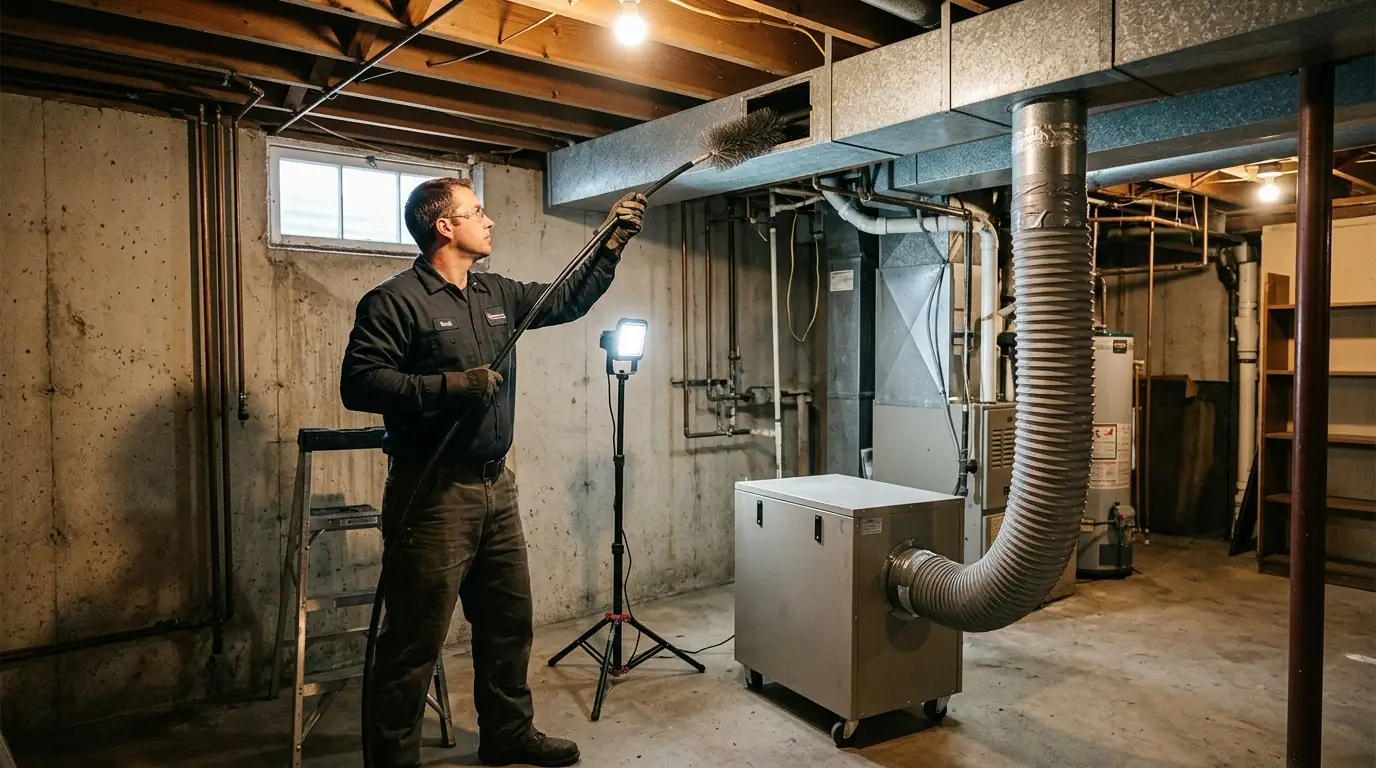
Damage cleaning differs from a routine duct cleaning. We seal registers, attach a HEPA negative air machine to the trunk line, and push brushes, air whips and compressed air through each run so debris is pulled toward the collector instead of blowing into the house. Then we clean the blower compartment and registers and replace the filter. It's usually scheduled after soot cleanup so the system doesn't recontaminate clean rooms.
Cost
What drives the cost of duct cleaning after damage
The number of supply and return runs, the type of duct and what's inside matter most. Metal duct with light ash cleans faster than runs coated in oily soot. Flexible or lined duct that can't be cleaned has to be replaced, which adds material and labor. Access in finished basements or tight crawl spaces adds time. The furnace or air handler may also need a separate HVAC check after a fire or flood.
Soot in the ductwork
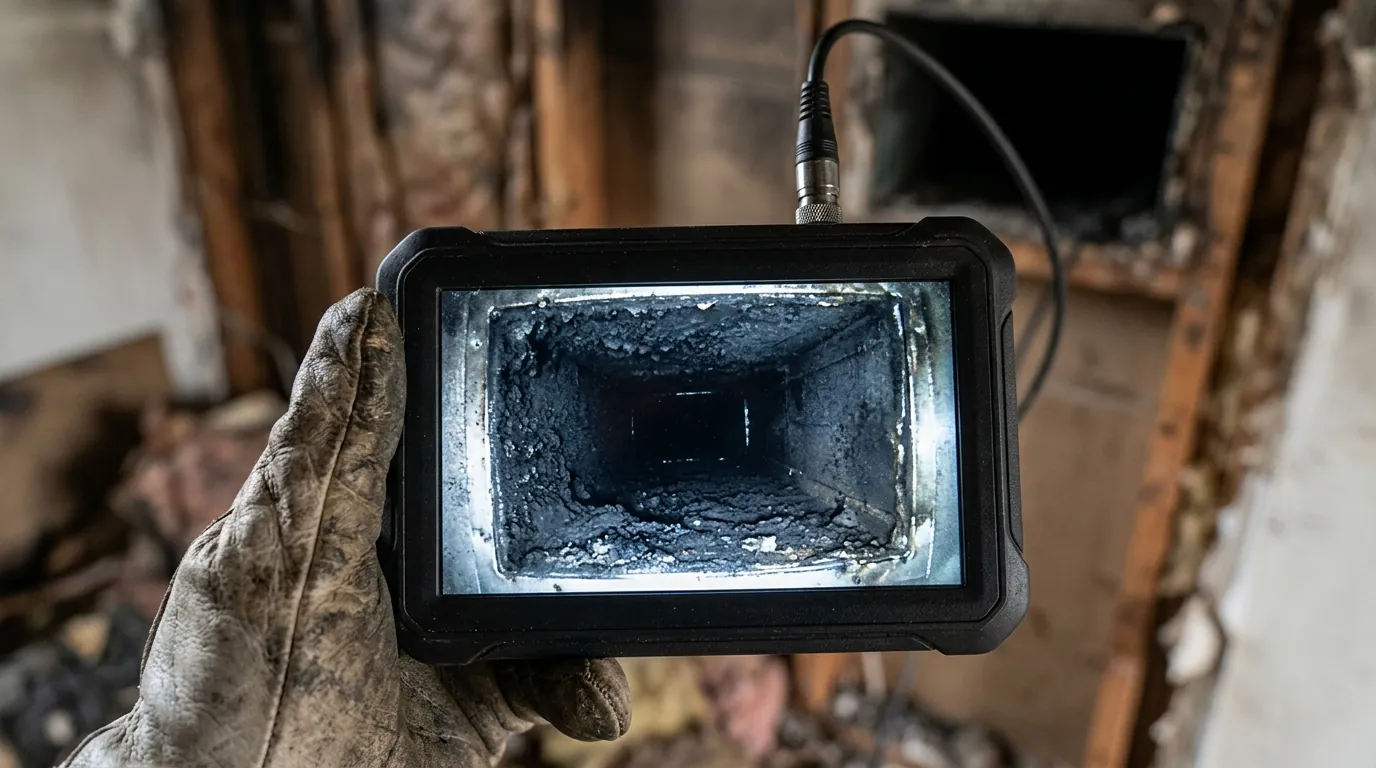
Fire soot in ducts is fine, often oily and acidic. It coats metal duct walls, collects in elbows and settles in the blower housing, and every heating cycle sends a little of it, and its odor, back into the rooms. We clean metal runs with brushes and air whips under negative pressure, wipe registers and boots by hand, and inspect the blower. Flexible duct with soot inside usually can't be cleaned well and is replaced. A furnace exposed to heat should also be checked by an HVAC technician.
Wildfire ash in the system
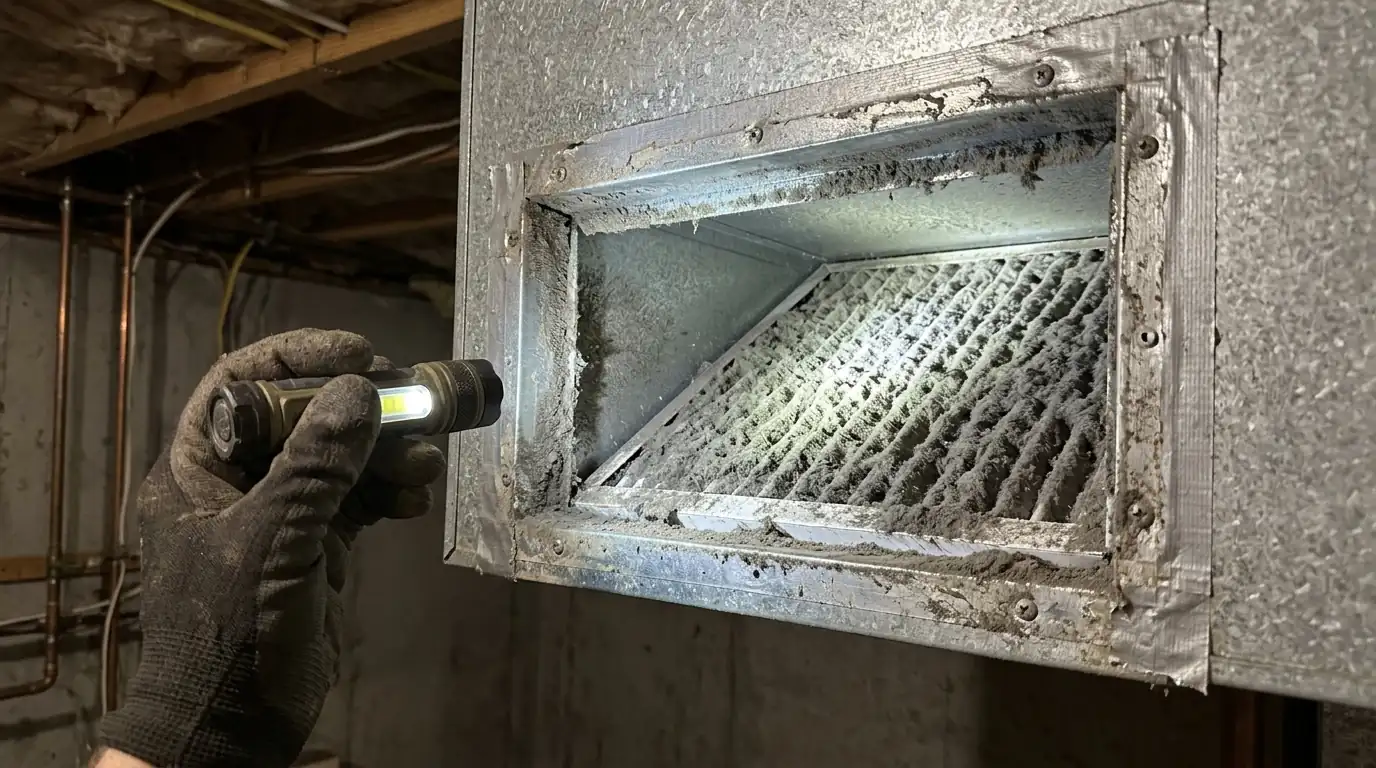
Wildfire ash is lighter than fire soot but goes everywhere. It comes in through outside-air intakes and leaky return ducts, and it clogs filters quickly. Homes where central air ran during smoke days often have a fine gray layer in the return plenum and on the blower wheel. We clean returns and supplies, check the intake and replace the filter. When smoke odor lingers after the house has been cleaned, the ducts are frequently the reason. We also suggest a higher-rated filter for the next fire season if the system can handle it.
Wet or moldy ducts
Ducts in a flooded basement or crawl space can hold water in low spots, rust or grow mold inside insulation wrap. Metal duct that only took clean water can often be dried and cleaned. Duct exposed to Category 3 water, internally lined duct and flexible duct that got wet are usually replaced, since their surfaces trap contamination. We check registers for musty odor and test suspicious growth before deciding. Fixing the source, such as drainage or a leaking line, comes first.
Looking at this mess right now?
Pick up the phone. A real person answers 24/7 and talks you through the next ten minutes.
What duct cleaning after damage includes
This scope goes further than a routine duct cleaning.
- Camera inspection of supply and return runs before and after cleaning.
- Negative air setup with HEPA filtration at the trunk line.
- Mechanical agitation of every metal supply and return run.
- Hand cleaning of registers, boots and the blower compartment.
- Replacement of flexible or lined duct that can't be cleaned.
- A new furnace filter and an odor check with the system running.
- Photos for your claim and notes for your HVAC technician.
How we clean a duct system after a loss
- 01
Inspect the system
A camera look into returns, supplies and the blower shows what's there.
- 02
Set up negative air
A HEPA negative air machine connects to the trunk, and registers are sealed.
- 03
Agitate each run
Brushes, air whips and compressed air loosen debris toward the collector.
- 04
Clean components
Registers, boots, the blower compartment and the plenum get hand cleaning.
- 05
Replace and verify
New filter, a second camera check and an odor check with the system running.
Local conditions
Ash in ductwork after the Gray Fire by Medical Lake
Ash from the August 2023 Gray Fire, which destroyed about 240 homes around Medical Lake, found its way into ductwork well beyond the burned blocks. It burned in late summer, when central air in nearby homes was likely running and could draw smoke and ash in through returns and filters. Houses that came through without flame damage could still smell of smoke every time the system started. For homes like these, cleaning the ducts is often the step that finally clears the smell.
Signs your ducts need cleaning after smoke or water damage
These usually show up once the house itself has been cleaned.
Smoke smell when the furnace starts
Odor strongest right after the blower kicks on points to the ducts.
Gray or black dust around registers
Soot or ash is blowing out of the supply vents.
Filters that clog quickly
A new filter turning gray in days means debris is still in the system.
Musty air from the vents
Moisture or mold inside ducts after a water loss.
Visible ash in the return plenum
Look through the filter slot with a flashlight.
Duct Cleaning After Smoke & Water Damage questions
Yes. Damage cleaning targets soot, ash or moisture, uses negative air and HEPA collection, and includes replacing duct that can't be cleaned. Routine cleaning deals with household dust and is usually less involved.
Avoid it if you can. Running the blower spreads soot into clean rooms. If you need heat, install a new filter first, and have an HVAC technician check the furnace if it was exposed to heat or water.
Metal duct that took clean water often can be dried and cleaned. Flexible or lined duct, or anything exposed to sewage or floodwater, is usually replaced because it can't be made reliably clean.
Often when smoke or ash from a covered loss reached the system, but policies differ and your adjuster decides. Before-and-after camera photos from inside the ducts help show what was there.
Most single-family houses take most of a day, including setup and the final camera check. Homes with many runs, heavy oily soot or duct sections that need replacing take longer, especially when ducts sit in a tight crawl space.
Related restoration work
Smoke & Soot Cleanup
Fire & Smoke
See this serviceWildfire Smoke & Ash Cleanup
Fire & Smoke
See this serviceOdor Removal & Deodorization
Sewage, Biohazard & Odor
See this serviceMold Remediation
Mold
See this serviceSee all 37 restoration services
Related advice: Documenting a water damage claim the right way and Questions to ask a restoration company before work starts
Answering 24/7
Smoke smell coming out of the vents in your Spokane home?
Call any hour. We'll look inside the ducts and tell you what's there.
1876 N Teanaway Dr, Post Falls, ID 83854