Help without judgment
Hoarding cleanup in Spokane, paced around the family
We clear the house in the order that matters to you, keep what you want kept, then clean what's left behind.
- Answered 24/7
- Sorting with the family
- Animal hoarding
- Deep cleaning
Quick answer
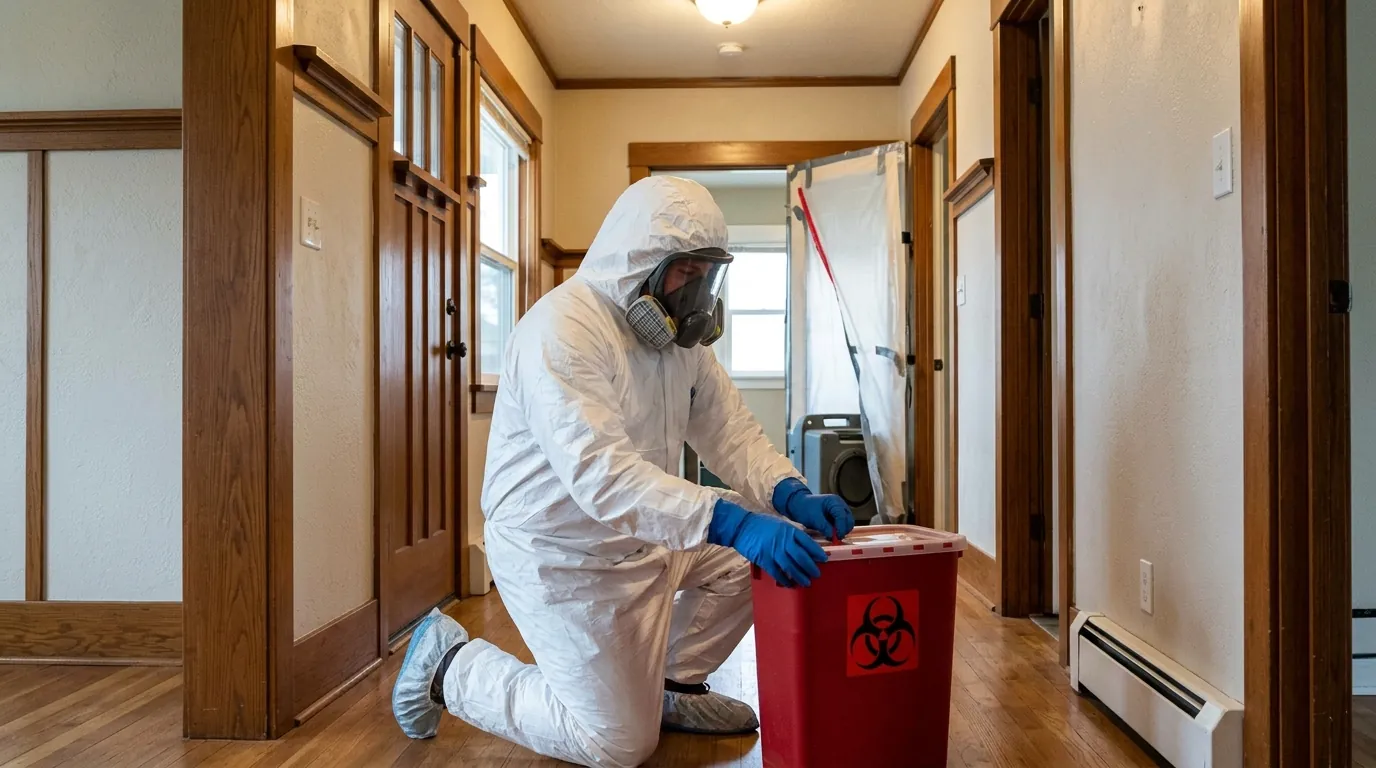
Hoarding cleanup in Spokane usually takes several days, because items are sorted before anything leaves the house rather than hauled out blindly. We clear room by room, set aside papers, photos and valuables, then clean and disinfect once floors and walls are visible again. Hidden leaks, pest activity and odor often turn up, and those get handled too.
Updated October 2026
Why hoarding cleanup is more than hauling things away
Most of these calls come from a son, daughter or sibling, sometimes from a landlord or an estate attorney, often after a health scare or a planned move. The house may have narrow paths between stacks, rooms nobody has used in years and a smell that has worked into everything.
Clearing it well takes two kinds of work. The first is sorting: keep, donate, recycle and discard, with the family making the calls and us flagging cash, documents, keys and photographs as they surface. The second starts when floors show again. Hidden leaks, rotted subfloor, rodent nests and mold are common under long-standing piles, and we clean, disinfect and document what we find instead of covering it up.
Cost
What changes the cost of a hoarding cleanup
Volume drives most of it: how many rooms, how full they are and how much has to be sorted rather than discarded. Disposal fees and the number of dump loads add up. Animal waste, sharps, mold or sewage turn parts of the job into biohazard work with more protective gear and material removal. Families who want to review every item add days, which is often worth it. We walk the whole house first and explain the scope room by room.
Sorting with the family
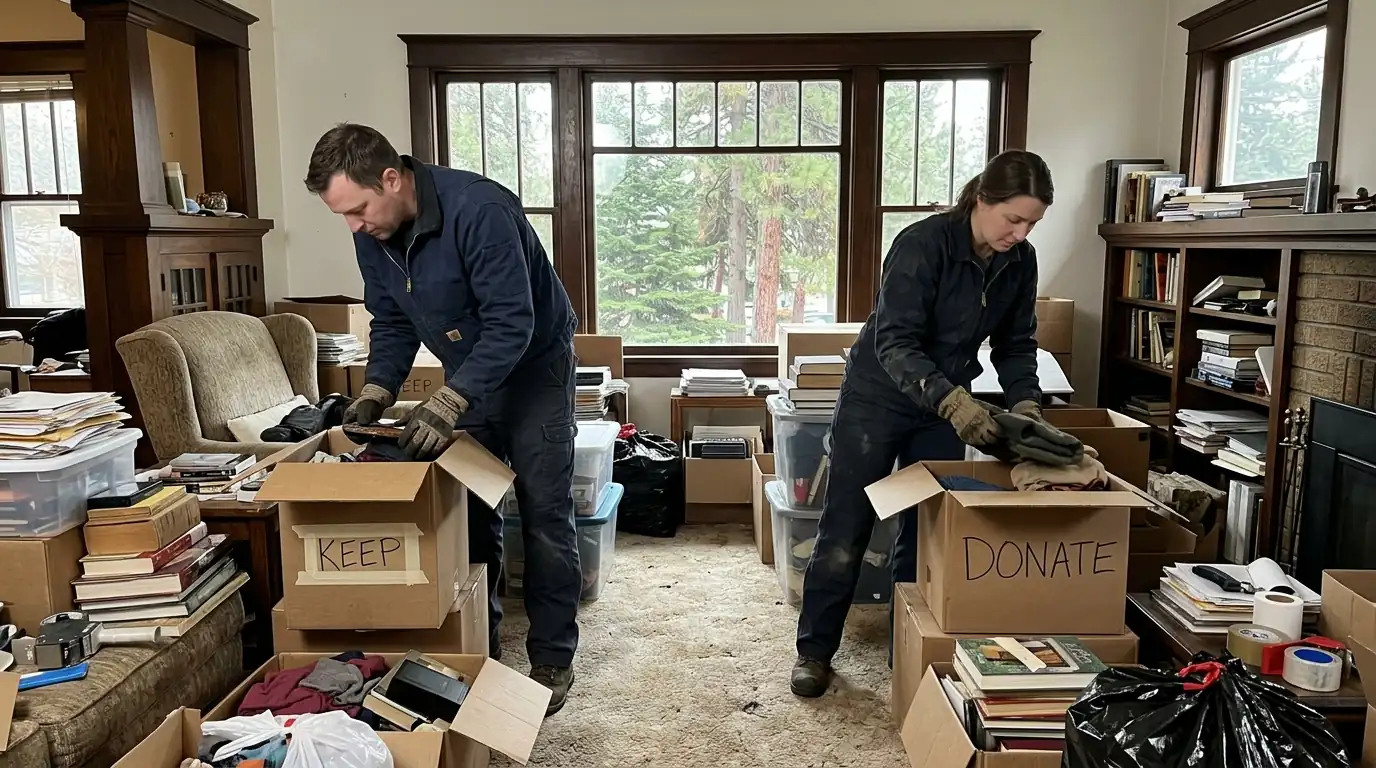
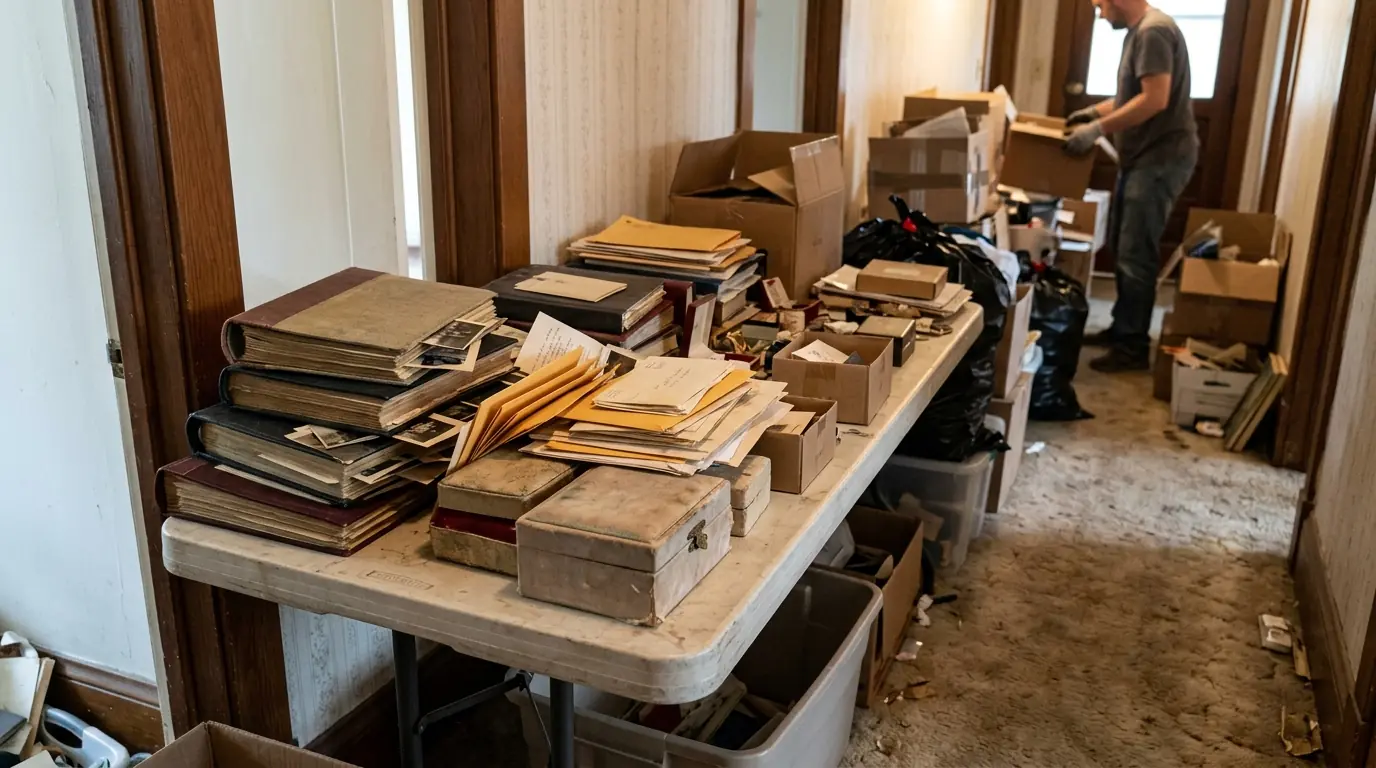
We agree on rules before the first box moves: what always gets set aside (photos, documents, jewelry, cash, keys, medications), what the family wants to see, and what can go without asking. Someone can be present the whole time, check in daily or review a set-aside table at the end of each day. Working this way is slower than a dumpster and a shovel, but it avoids losing a box of letters or a will. Donation and recycling loads leave separately from trash.
Animal hoarding cleanup
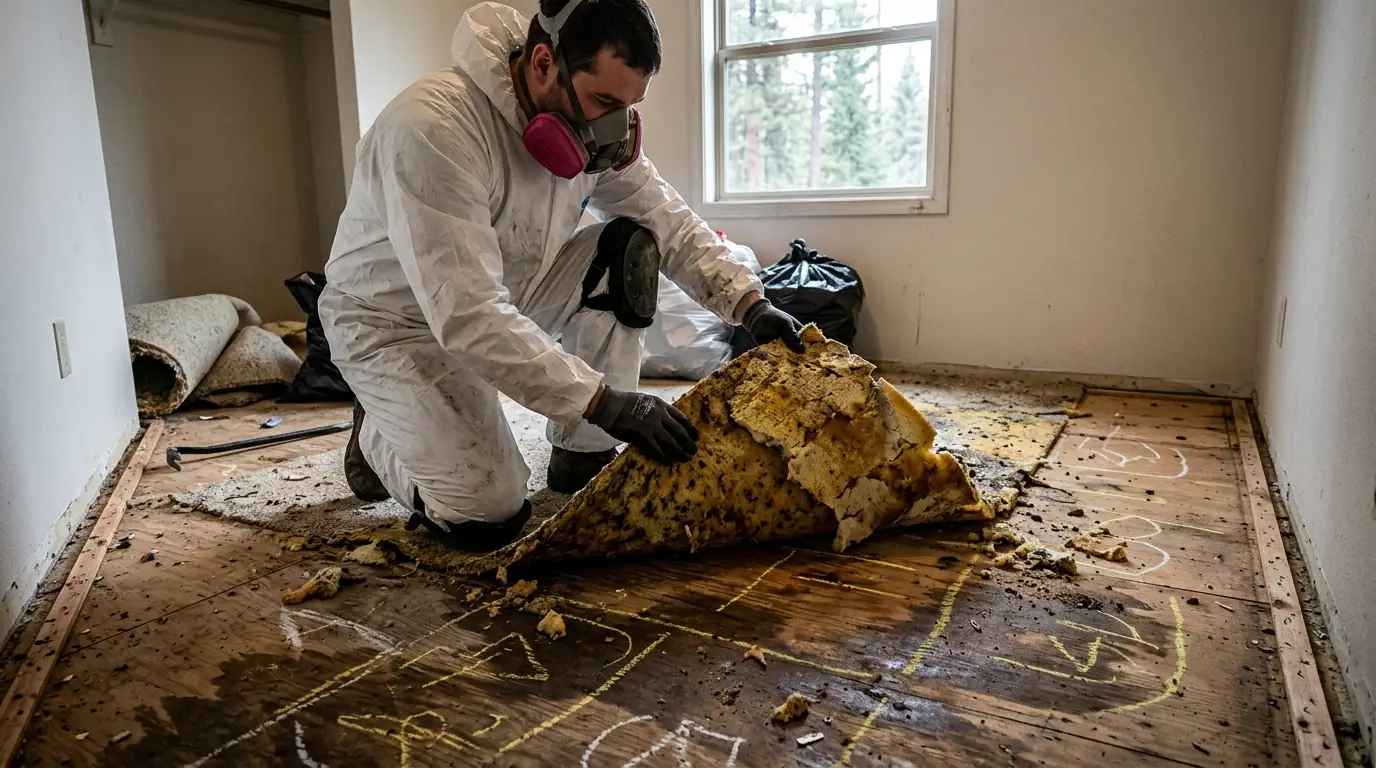
When many animals have lived in a home, the cleanup becomes largely a biohazard job. Urine soaks through carpet into the subfloor and wicks up drywall, feces can carry parasites and bacteria, and ammonia can be strong enough to sting the eyes. Animals are placed with the family or an animal welfare group before we start. We then wear respirators, remove saturated flooring and drywall, clean and disinfect the framing, and seal it before odor treatment finishes the work. Ductwork gets checked too, since dander and odor collect there.
Deep clean afterward
Once the house is cleared, years of dust, grease and residue remain on every surface. We clean top to bottom: ceilings, walls, cabinets inside and out, fixtures, windows and floors, then disinfect kitchens and bathrooms. Appliances that can't be saved are hauled away. We also note repairs that showed up along the way, such as a slow leak under a sink, damaged flooring or a cracked window, so the family knows what to fix before the home is lived in, rented or listed.
Not sure how bad it is?
Describe it on the phone. We will tell you honestly whether it needs a crew tonight or can wait for morning.
What a hoarding cleanup includes from start to finish
The details shift with each house, but these pieces are standard.
- A walkthrough to agree on rules for keep, donate, recycle and discard.
- Set-aside of photos, documents, cash, keys, jewelry and medications as they surface.
- Separate loads for donation, recycling and disposal.
- Safe handling of sharps, animal waste and spoiled food.
- Cleaning and disinfecting of floors, walls, kitchens and bathrooms.
- Odor treatment after soiled materials are removed.
- Notes and photos of leaks, damage or mold found under the clutter.
How a hoarding cleanup moves from walkthrough to clean house
- 01
Walk the house together
We see every room, hear what matters and agree on what always gets set aside.
- 02
Set up for safe work
Paths cleared, protective gear on, and hazards like sharps or animal waste handled first.
- 03
Sort room by room
Keep, donate, recycle and discard, with the family deciding and valuables flagged.
- 04
Clean and disinfect
Bare surfaces get cleaned, sanitized and checked for leaks, pests and mold.
- 05
Hand back the house
A final walk with notes on repairs that surfaced during the work.
Local conditions
Hoarding cleanup in Spokane houses with basements and garages
Many Spokane houses have a basement, an attic and a detached garage, and in a hoarding situation each of those spaces tends to fill. Basements are where hidden water problems most often turn up, because a leak nobody could reach may have run for years. Family members frequently live out of town and coordinate from a distance, so we send photos and daily updates by text and can work with a local relative or a property manager who holds the key.
Timeline
How long a hoarding cleanup usually takes
A single cluttered room can often be done in a day. A full house with years of accumulation usually takes several days to two weeks, and the biggest variable is sorting time: a family that wants to review items moves slower than an estate clearing a house for sale, and that's fine. Animal hoarding adds time for flooring removal and odor work. Some families prefer to spread the job over several weekends, and we can plan around that.
Hoarding Cleanup questions
No, but many choose to be there for at least part of it. We agree on set-aside rules first, then send photos and updates. Anything uncertain waits on a table or in a labeled box until someone reviews it.
If they want to and are able, yes, and it usually goes better that way. We work at a pace they can handle, explain before we remove things and never treat their belongings as trash by default.
Usable items go to donation, recyclables are separated and the rest goes to disposal. Hazardous items such as old paint, chemicals and sharps are handled separately according to their own disposal rules.
Often. Long-term piles hide leaks, rotted flooring, rodent damage and mold. We photograph what we find and can take care of water damage and mold removal if the family wants it done before repairs begin.
Clutter removal on its own usually isn't. Damage found underneath, such as a sudden water leak, might be, depending on the policy. Policies differ and the adjuster decides, so we document conditions with photos either way.
Related restoration work
Biohazard & Trauma Cleanup
Sewage, Biohazard & Odor
See this serviceOdor Removal & Deodorization
Sewage, Biohazard & Odor
See this serviceMold Remediation
Mold
See this serviceContents Pack-Out & Cleaning
Rebuild, Contents & Commercial
See this serviceSee all 37 restoration services
Related advice: Sewage in the basement: what to do and what not to touch and Questions to ask a restoration company before work starts
Answering 24/7
Ready to start a hoarding cleanup in Spokane?
Call any hour to talk it through. There's no pressure to decide anything on the first call.
1876 N Teanaway Dr, Post Falls, ID 83854