Restoration advice
Sewage in the basement: what to do and what not to touch
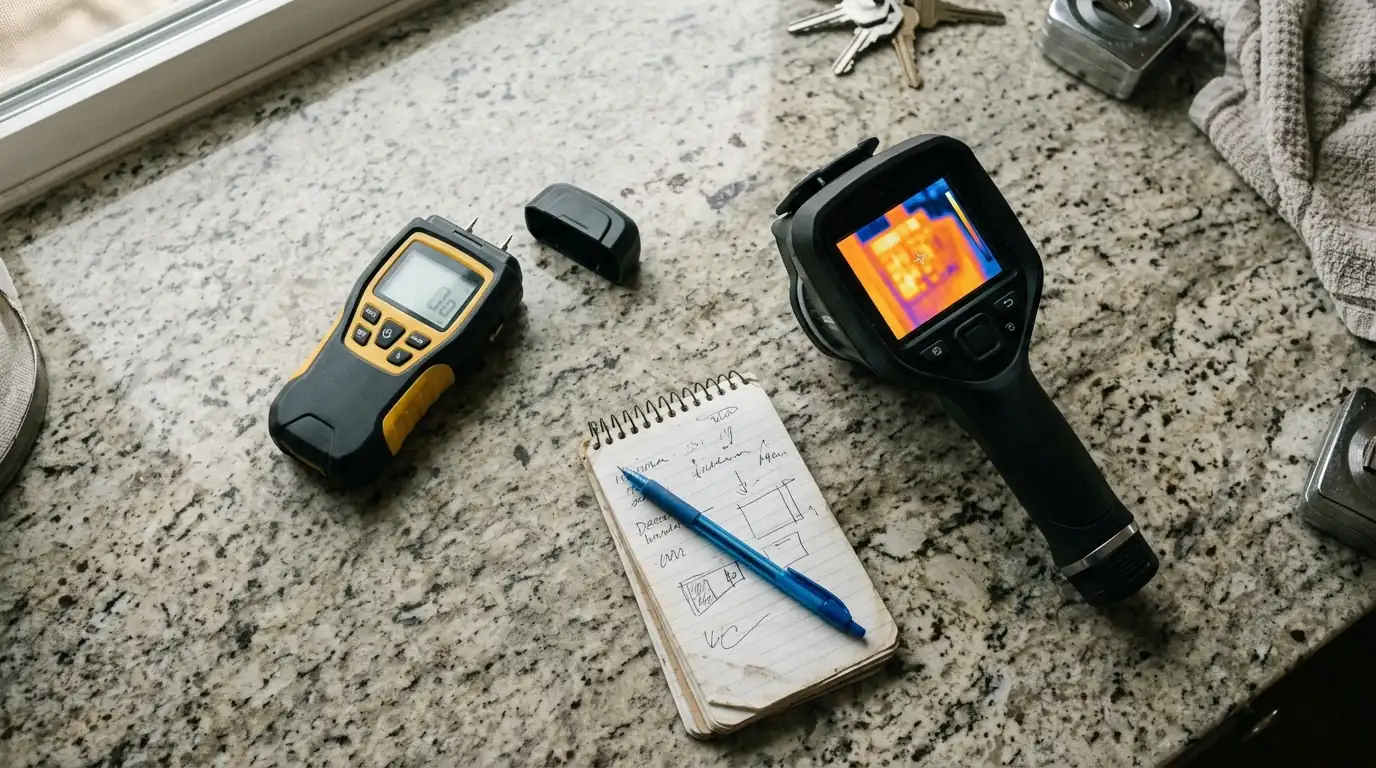
Quick answer
Stop using every drain in the house, keep people and pets out of the wet area, and do not mop, vacuum or run fans on it yourself. Sewage is Category 3 water, so anything porous it soaked, like carpet, pad and the lower part of drywall, usually has to go. Cut power to the area if you can do it standing dry, then call for cleanup.
Why sewage counts as Category 3 water
Water damage is sorted by how contaminated the water is. Category 1 is clean water from a supply line. Category 2 is gray water, like a washing machine discharge. Category 3 is black water, which covers sewage and overland flood water. It carries bacteria, viruses and other contaminants from the sewer, and it soaks into anything porous it touches.
That label changes the whole job. A clean water leak is mostly a drying problem. Sewage is a removal and disinfection problem first, done in protective gear with the work area contained so contamination does not travel through the rest of the house.
Stop using every drain in the house
A sewage backup usually comes out the lowest opening in the plumbing, often a basement floor drain, shower or toilet. Every drop used upstairs ends up there. Until a plumber has cleared the line, stop:
If your basement has a backwater valve, check whether it closed. If the water is near outlets, appliances or the furnace, shut off power to the basement at the breaker, but only if you can reach the panel standing on a dry floor.
- Flushing any toilet
- Running the washing machine or dishwasher
- Showers, baths and sinks, including the kitchen sink
- Water softener regeneration and other automatic discharges, if you can pause them
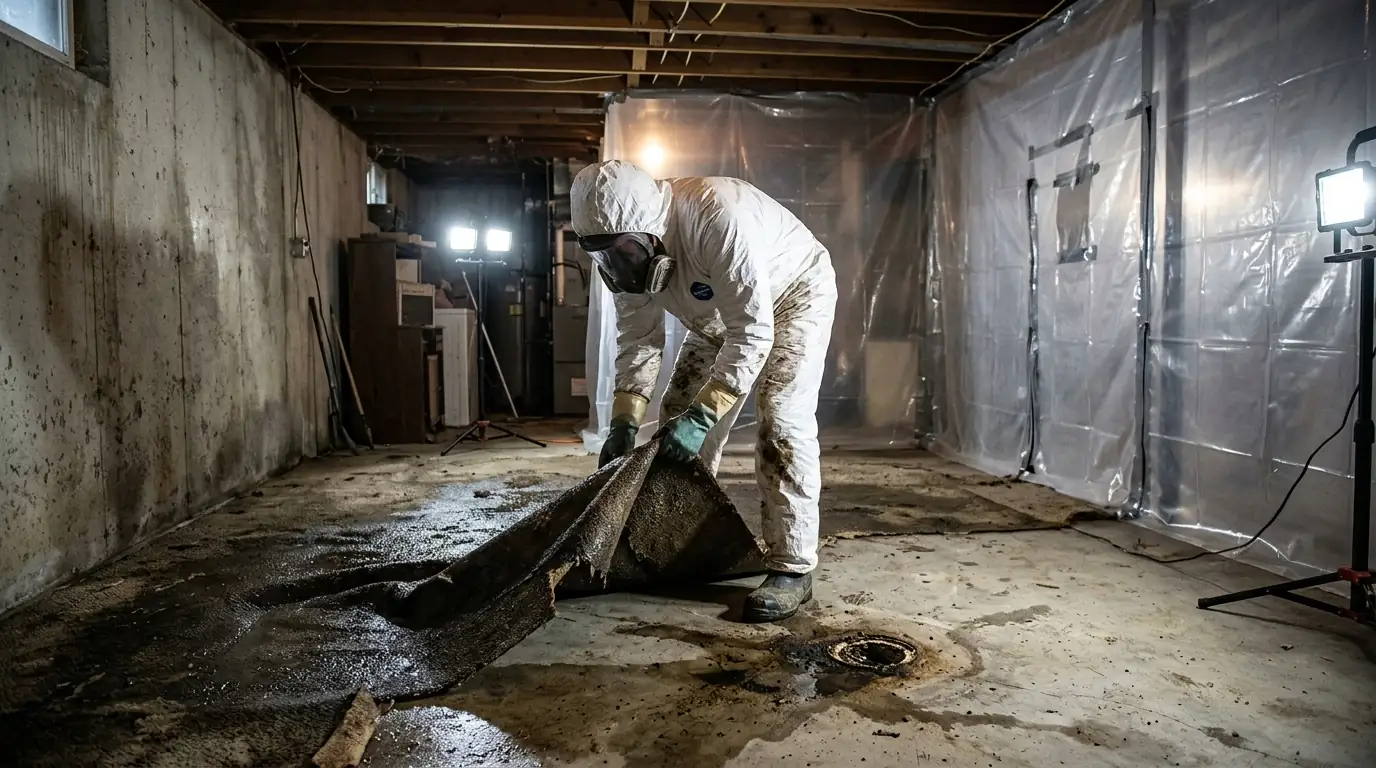
What not to touch, and why
If you must go down there, wear rubber boots, waterproof gloves and eye protection, and wash thoroughly afterward. Take photos from the stairs before anything moves.
- Do not walk through the affected area and then into the rest of the house
- Do not run a household vacuum or shop vac on sewage water
- Do not set up fans, which spread contaminated droplets and odor
- Do not wash soaked items in your washing machine
- Do not mix bleach with other cleaners; bleach and ammonia together release toxic fumes
- Keep children and pets out completely
Need a second opinion before you tear anything out? Call and describe it. We will tell you what we would do.
Call (509) 730-2039What usually gets thrown out, and what can be saved
After Category 3 water, porous materials that soaked it up are generally removed rather than cleaned, because disinfectant cannot reach what is inside them.
Photograph everything before it goes, keep an itemized list, and if your adjuster wants to see items, hold them in a sealed, labeled pile outside. Sewage backup cleanup covers that removal, disinfection and drying in one plan.
- Usually removed: carpet and pad, upholstered furniture, mattresses, cardboard and paper, particleboard furniture, insulation, and drywall cut a safe distance above the water line
- Often cleaned and kept: tile, sealed concrete, metal, glass, hard plastic and solid wood furniture with an intact finish
- Case by case: hardwood floors, wood framing and some cabinetry, depending on how long the water sat
City sewer or septic: where the problem usually sits
On city sewer, the most common cause is a blockage or failure in the private lateral line between the house and the main, from roots, grease, wipes or a collapsed section of old pipe. Spokane has more than 26,000 homes built in 1939 or earlier, and many still run on original drain lines that are prone to root intrusion and cracks. Less often the city main backs up, which usually hits several houses on the street at once. A plumber with a sewer camera can tell you which.
On septic, which is common in rural parts of Spokane County and Kootenai County, a backup usually means the tank needs pumping, the outlet is blocked or the drainfield is failing, often worse in spring when the ground is saturated. Get a septic service to fix the cause before cleanup, or the backup can repeat in the middle of the job.
Insurance and sewer backup coverage
Sewer backup is often a separate endorsement on a homeowner policy rather than part of the base coverage, and limits vary. Check your declarations page and call your insurer early. Whether or not you have that coverage, your adjuster decides what is paid. We document the loss with photos, moisture readings and a removal list, and can walk the job with the adjuster.
Once the area is clean and dry, lingering smell in framing or concrete gets handled with odor removal rather than more scrubbing.
Reader questions
A very small overflow on a hard, sealed floor, like a toilet backup onto tile, can be handled with protective gear, disposal of solids, a detergent wash and a disinfectant. Anything that reached carpet, drywall, wood or a large area is a different job, because porous materials have to be removed and the area contained.
If neighbors on your street are having backups too, the city main is the likely cause. If only your house is affected, the problem is usually in your lateral line or the plumbing inside. A plumber with a sewer camera can show where the blockage is, which also tells your insurer what happened.
Usually, where it got wet. Drywall wicks sewage water upward, and the paper and gypsum cannot be disinfected all the way through. Crews typically cut the wall above the highest wet reading, remove the wet section and the insulation behind it, disinfect the framing and dry it before new drywall goes up.
A backwater valve is a one-way flap in the main drain line that lets waste leave the house but closes if sewage tries to flow back in. It helps most in homes with basement fixtures below the street sewer level. It will not stop a backup caused by a clog inside your own lateral, which a plumber has to clear.
Removal and disinfection in a typical basement can take a day or two, followed by several days of drying for framing and concrete, depending on how far the water spread. Drywall, flooring and trim go back once the area reads dry. Older basements with plaster or wood floors usually take longer.
Services that go with this guide
Sewage Backup Cleanup
Sewage, Biohazard & Odor
See this serviceBasement Flooding Cleanup
Water Damage
See this serviceOdor Removal & Deodorization
Sewage, Biohazard & Odor
See this service